
Water-Damaged Ceiling Repairs Perth
Water stains, peeling paint, swollen joints or a sagging ceiling after a leak need a considered repair plan. Westaus Commercial Services helps Perth homeowners and businesses assess the damaged lining, define the work required and plan the finish once the moisture issue is addressed.
Send your suburb, ceiling photos and any information about the leak or repairs already completed.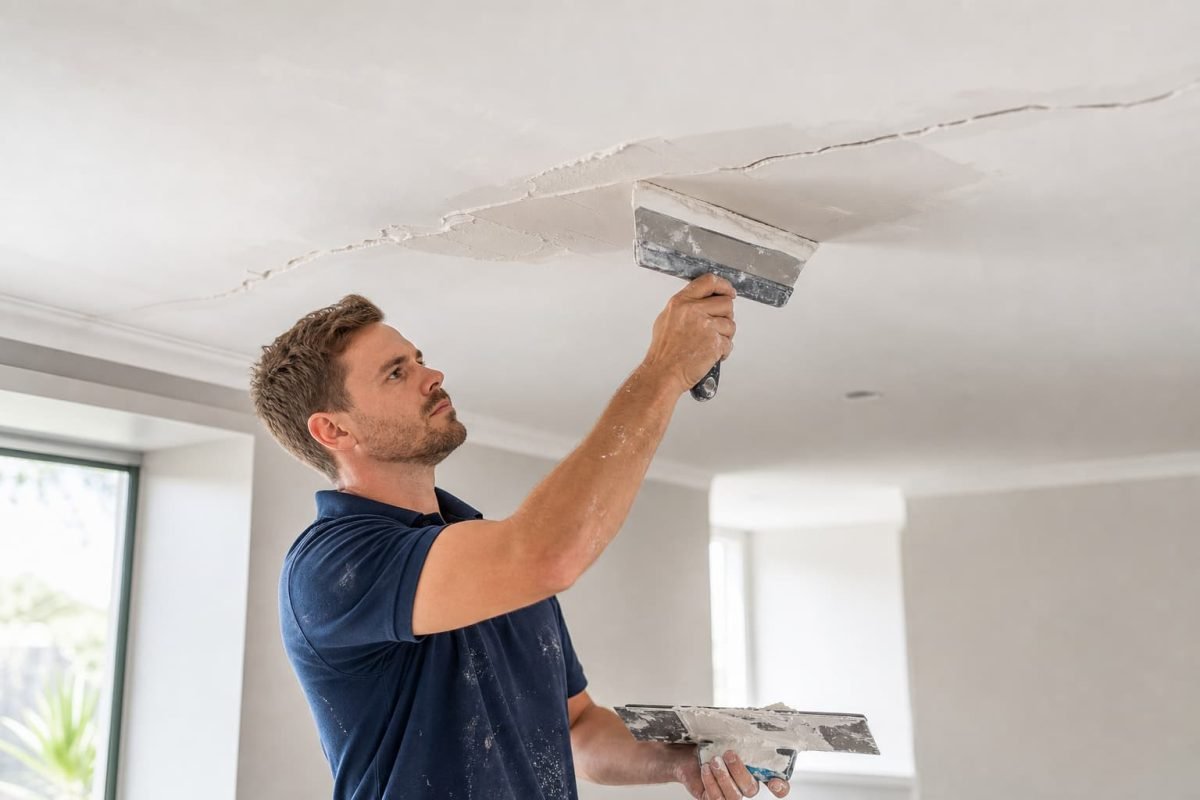
Water damage is more than a mark on the paint
A brown ring on a ceiling can be the first sign of a roof leak, plumbing fault or moisture problem above the room. In other cases, the first noticeable change is blistered paint, a damaged joint or a section that begins to drop. The visible patch helps locate the symptom, but it does not show the full condition of the lining or establish where the water entered.
Our water-damaged ceiling repairs Perth service focuses on the existing ceiling: what can be retained, which areas need renewal and how the disturbed surfaces will be finished. A useful repair plan also identifies the separate work needed to control the moisture source before the ceiling is closed or redecorated.
You may need a local repair following a resolved leak, replacement of damaged plasterboard, cornice work or a larger ceiling renewal. Tell us what happened and what has already been investigated. The right scope depends on the material condition and extent of damage, rather than the stain size alone.
Signs of a water-damaged ceiling
Brown or yellow stains and tide marks
Discolouration can remain after an earlier leak or develop while moisture is still entering. A mark that expands or returns after painting needs further investigation. The colour alone cannot confirm that the ceiling is dry or that the leak has stopped.
Blistering, peeling or flaking paint
Moisture can affect the bond between paint and the surface beneath it. Repainting over loose coatings does not address the condition of the lining. Once the moisture problem is resolved, preparation needs to account for the existing coating and any damaged paper or plaster.
Swollen joints, cracks and distorted surfaces
Water exposure can affect sheet edges and joint finishes. A ridge, cracking along a joint or a changed ceiling profile may indicate that the work extends beyond stain treatment. Assessment should consider nearby sheets and fixings as well as the visible defect.
Sagging, bulging or loose material
A wet ceiling that is dropping or bulging may be unstable. Keep people away from the affected area and seek prompt professional assistance. Do not puncture the bulge, press on the lining or enter the roof space to inspect it. If water is near lights, fans or other electrical fittings, avoid the affected area and arrange an appropriately licensed electrician.
Recurring dampness or mould-like growth
Persistent damp patches and visible growth warrant investigation of moisture and ventilation conditions. Painting over the surface is not a complete solution. Where contamination or concealed growth is suspected, specialist assessment or remediation may be needed before ordinary ceiling work proceeds.
Where does ceiling water damage come from?
Roof leaks and rainwater entry
Roof coverings, flashings, penetrations and drainage details can be relevant to water entry during rain. Water may travel before it appears on the ceiling, so a stain is not a reliable map of the entry point. A roofing assessment can establish the required source repair; the ceiling repair then addresses the internal damage.
Plumbing and rooms above
Water services, waste pipes and leaks from an upstairs bathroom or other wet area can affect the ceiling below. Identifying the cause may require a plumber or another specialist. Tell us which room is above the damage and whether a plumbing investigation or repair has already been completed.
Air-conditioning and condensate issues
Equipment or drainage associated with air-conditioning can be relevant where moisture appears near outlets or service routes. The appropriate air-conditioning professional should investigate the equipment. Replacing ceiling material without resolving a recurring discharge can leave the new lining exposed to the same problem.
Condensation and persistent humidity
Bathrooms, laundries and kitchens can have moisture problems related to ventilation and use rather than a single leak. The cause needs distinguishing from rain or pipe water entry. Improving the ceiling finish alone does not change the room conditions that allowed the problem to develop.
Westaus offers roofing services in Perth for related enquiries. Plumbing, electrical, air-conditioning and specialist moisture work should have clearly assigned responsibilities. Do not assume every source investigation is included in a ceiling repair quote.
Before repairs: control the source and assess the damage
The work sequence matters. An active leak, unstable lining or affected electrical fitting needs attention before cosmetic restoration is planned. If there is visible dropping, sudden cracking or falling material, keep the area clear and seek professional assistance. The WA ceiling collapse guidance explains that moisture can damage plasterboard and its fixing locations.
Once immediate concerns are addressed, confirm what caused the moisture and what has been done to resolve it. A ceiling fixer may need to coordinate with the trade responsible for the source repair. Keep reports, invoices and photos so the ceiling work can be planned with the relevant information.
There is no universal waiting period that makes every wet ceiling ready for repair. Material condition, the extent of exposure, concealed moisture and drying conditions influence the next step. A surface that looks dry does not by itself establish the condition above it. Significant water exposure may justify removal and replacement rather than waiting to repaint.
Online enquiries help arrange the next step; they do not confirm ceiling stability, electrical safety or emergency attendance. Explain any active leak or urgent change when contacting us.
What a water-damage ceiling assessment should cover
A useful assessment considers both the repair area and its surrounding construction. The purpose is to define which material remains suitable and what work is needed before the finish can be restored.
- Damage history: when the mark appeared, whether it followed rain or another event, and whether it is changing.
- Source information: known leak repairs, trade reports and any continuing moisture concern.
- Lining condition: distortion, damaged faces, weakened sections, affected edges and joints.
- Attachment and support: signs of separation or damage relevant to retaining the ceiling.
- Concealed conditions: insulation, services and the extent of damage above the visible surface, where safely accessible.
- Repair boundaries: the area to remove, the condition of retained lining and where new joints will sit.
- Finish and related work: cornices, paint, access openings and other trade responsibilities.
Photos are a helpful first step, especially a wide room view and safely taken close views. They cannot show all concealed damage or establish a final repair method in every case. Tell us about any previous patching, repainting or water damage in the same room.
Repair the surface or replace the damaged plasterboard?
When retaining the existing lining may be possible
Minor exposure does not always require full ceiling replacement. If the source is resolved and assessment finds the lining and its connections suitable to retain, the scope may involve preparation, local joint work and redecoration. The decision needs to account for the material condition, not simply whether the stain can be covered.
When damaged material needs renewal
Substantial wetting, deterioration, distortion or compromised fixing areas can make retaining plasterboard unsuitable. Gyprock's plasterboard maintenance guidance generally recommends replacement after substantial wetting; minor exposure requires drying and inspection for deterioration or warping. This is a reason to assess the board itself before agreeing on a cosmetic repair.
Partial replacement
A defined area may be removed and replaced where the surrounding ceiling is suitable. The new section needs appropriate support at its boundaries, with joint treatment suited to the retained material. The cut-out may extend beyond the stain to reach sound material and practical fixing locations.
Full room replacement
If damage is widespread, several sections are unsuitable or local repairs would create a complicated result, renewing a larger ceiling area may be considered. Ask why that boundary is recommended and what it means for cornices, fittings and painting. Our ceiling replacement Perth page explains the broader removal and renewal scope.
Types of water-damaged ceiling repair work
Removing unsuitable lining
The agreed repair may include removing damaged plasterboard or another identified ceiling material. Access, nearby fittings and the condition of surrounding sections influence the removal plan. Waste handling and disposal should be recorded in the quote rather than assumed.
Preparing the repair boundaries and support
Replacement sections need suitable support and connections. Any support defects identified during the work need addressing within an agreed scope or referred to the appropriate professional. Structural repairs and engineering advice are distinct from ordinary lining replacement.
Installing replacement ceiling sections
New lining should suit the room and existing system. Board selection matters where wet-area conditions, fire performance or acoustic requirements apply. Moisture-resistant board is not a substitute for controlling a leak, and a single product does not establish the performance of a complete rated system.
Finishing joints and affected cornices
Jointing, setting and sanding form the transition between new and retained material. Water-damaged cornices or edge details may also need repair or replacement. Discuss the profile and junctions before materials are selected, particularly where the existing room has decorative details.
Preparing and repainting the ceiling
After the substrate is suitable and the repair is ready, coating preparation and any stain-isolating treatment should follow the paint system's requirements. Confirm whether painting is included and how much of the ceiling will be painted. A broader continuous area may give a more consistent appearance than painting only a small patch.
Westaus also offers plastering services and painting services in Perth. Ask about related work where water damage affects walls as well as the ceiling.
Drying, insulation and concealed moisture
The visible face is only one part of a water-affected ceiling. Insulation and materials above the lining may also have been exposed. The repair plan should establish who assesses these areas, which materials need removal and whether specialist drying services are required.
Do not assume that leaving the room open for a set number of days will resolve every moisture issue. The source, duration of exposure, material layers and local conditions differ between properties. Where moisture assessment is needed, discuss the method and responsibility with the relevant professional before the cavity is closed.
If insulation must be moved or replaced, identify that separately in the scope. Electrical services and restricted roof-space access can affect how this work is undertaken. Ceiling repair should not conceal unresolved dampness or leave an important related task unassigned.
Mould and contaminated water concerns
Tell us if there is visible growth, a persistent musty smell or concern that the water came from a contaminated source. Specialist remediation may be required. A normal plasterboard repair quote should not be treated as a mould-clearance service, contamination assessment or guarantee about concealed conditions.
Older and unidentified materials
Before disturbing older sheeting or textured finishes, any suspected asbestos-containing material needs specialist advice. Provide existing material reports when enquiring. Testing and hazardous-material removal are separate services and should be resolved before ordinary removal work begins.
What should the repair scope include?
A written scope makes it easier to compare quotes and coordinate the source repair with the internal restoration. Confirm the repair area and each handover stage before work starts.
- Affected rooms and ceiling area: identify the proposed repair boundaries and retained sections.
- Source repair status: record known leak work and who is responsible for any outstanding investigation.
- Protection and access: agree furniture clearance, floor protection and routes through the property.
- Removal and disposal: specify lining, cornice and insulation items included or excluded.
- Replacement and finishing: identify the materials, support preparation, joints and edge details.
- Drying and specialist work: clarify any moisture assessment, remediation or specialist dependencies.
- Services and fittings: assign lights, fans, vents and other affected equipment to the relevant trades.
- Painting and handover: state whether the job ends at paint-ready or includes the final coating system.
Ask how concealed damage will be handled if the affected area proves larger after opening. Additional work should be explained and agreed before it changes the price or programme. Keep a copy of the accepted scope and completion information for your property records.
How the ceiling repair process is planned
1. Describe the incident and current condition
Send your suburb, affected rooms, photos and when the damage appeared. Include whether the leak is active, resolved or still under investigation. Mention any sagging or electrical concern when you call.
2. Assess the lining and agree the approach
The assessment establishes the condition of the ceiling and a suitable repair boundary. Source investigation and specialist work may need to happen before the final restoration scope can be confirmed.
3. Coordinate preparation and related trades
Confirm room access, protection, service work and any drying or remediation requirements. Agree who completes each stage and what needs to be ready before the ceiling is closed.
4. Carry out the agreed repair or renewal
Unsuitable material is addressed within the agreed scope, replacement sections are fitted where required, and disturbed junctions are finished. Newly exposed conditions may require a scope review.
5. Finish and review the handover
Allow for joint drying, sanding and any painting visits. Confirm what has been completed and any tasks left for other trades. Report new staining or movement rather than simply repainting over a recurring symptom.
What affects water-damaged ceiling repair cost in Perth?
Cost depends on how much material is affected and the work required to restore a suitable ceiling. A stain on otherwise serviceable lining involves a different scope from removal of saturated sheets, cornice replacement and repainting a complete room.
Key variables include repair area, ceiling height, access, lining type, disposal, support preparation and the amount of joint finishing. Insulation, lighting, source repairs, specialist drying and remediation can add separate work. Confirm these inclusions before comparing the total price.
The visible stain may underestimate the affected area, so ask what assumptions an initial quote makes about concealed conditions. Photos can support an initial discussion, but a final scope may require inspection or review after access is available.
Perth homes, rentals and commercial properties
Westaus Commercial Services is based in Maddington and welcomes enquiries across Perth metro. Send your suburb to confirm service availability and discuss the work required. For occupied homes, tell us which rooms are affected and what access can be arranged.
Property managers and strata contacts can provide incident dates, access arrangements, existing reports and any building-specific requirements. For commercial premises, include ceiling specifications and restrictions on working hours or service interruptions.
If you intend to contact an insurer, keep safely obtained photos and records of the event and source repairs. Coverage and claim decisions belong to the insurer under the policy; a ceiling quote does not establish claim acceptance. Tell us about any approved scope that the proposed work needs to address.
Water-damaged ceiling repairs Perth: common questions
Can a water-stained ceiling be repaired without replacement?
Sometimes, where the source is resolved and the lining is suitable to retain. A stain alone does not show the material condition. Substantial exposure or deterioration may require replacement of the affected material.
Should the leak be fixed before the ceiling is repaired?
The moisture source needs addressing as part of the work sequence. Reinstating or painting a ceiling while water continues to enter can expose the repair to further damage. Immediate safety work may be needed before final restoration.
Does dry-looking plasterboard mean it is safe to keep?
No. Appearance alone does not establish the condition of the core, paper faces, fixing locations or concealed materials. The exposure history and inspection findings determine whether retention is suitable.
Can I paint over a brown ceiling stain?
Painting should follow source control and assessment of the substrate. Loose paint or damaged lining needs appropriate preparation or replacement. Any stain-isolating treatment should suit the selected coating system.
What should I do if the wet ceiling is bulging?
Keep people away and seek prompt professional assistance. Do not puncture, push or pull at the lining, and do not enter the roof space to inspect it yourself. Avoid affected electrical fittings and arrange the relevant licensed trade.
How long must a ceiling dry before repair?
There is no single waiting period for every job. Exposure, materials, concealed moisture and drying conditions differ. Confirm whether moisture assessment or specialist drying is required before reinstatement or painting.
Is mould treatment included?
Only if a clearly defined service is included in the agreed scope. Specialist assessment or remediation may be required. Ordinary ceiling patching and painting should not be treated as contamination clearance.
Will the repair match the rest of the ceiling?
The aim and finishing area should be agreed before work. Older paint, texture and side lighting can affect how a local repair appears. Painting a continuous ceiling area may be considered for a more consistent result.
Does the quote include the roof or plumbing repair?
Confirm this explicitly. The internal ceiling work and the work that stops water entry are separate responsibilities unless recorded together. Westaus welcomes related roofing enquiries; plumbing and other services need the relevant trade.
What should I send with my enquiry?
Send your suburb, affected rooms, safely taken photos, incident date and any source repair information. Mention active leaks, sagging, electrical concerns and existing reports so the next assessment step can be discussed.
Plan your water-damaged ceiling repair
Tell Westaus where the damage is, what caused it if known, and which repairs have already been completed. We can discuss the assessment and ceiling scope needed for your property.